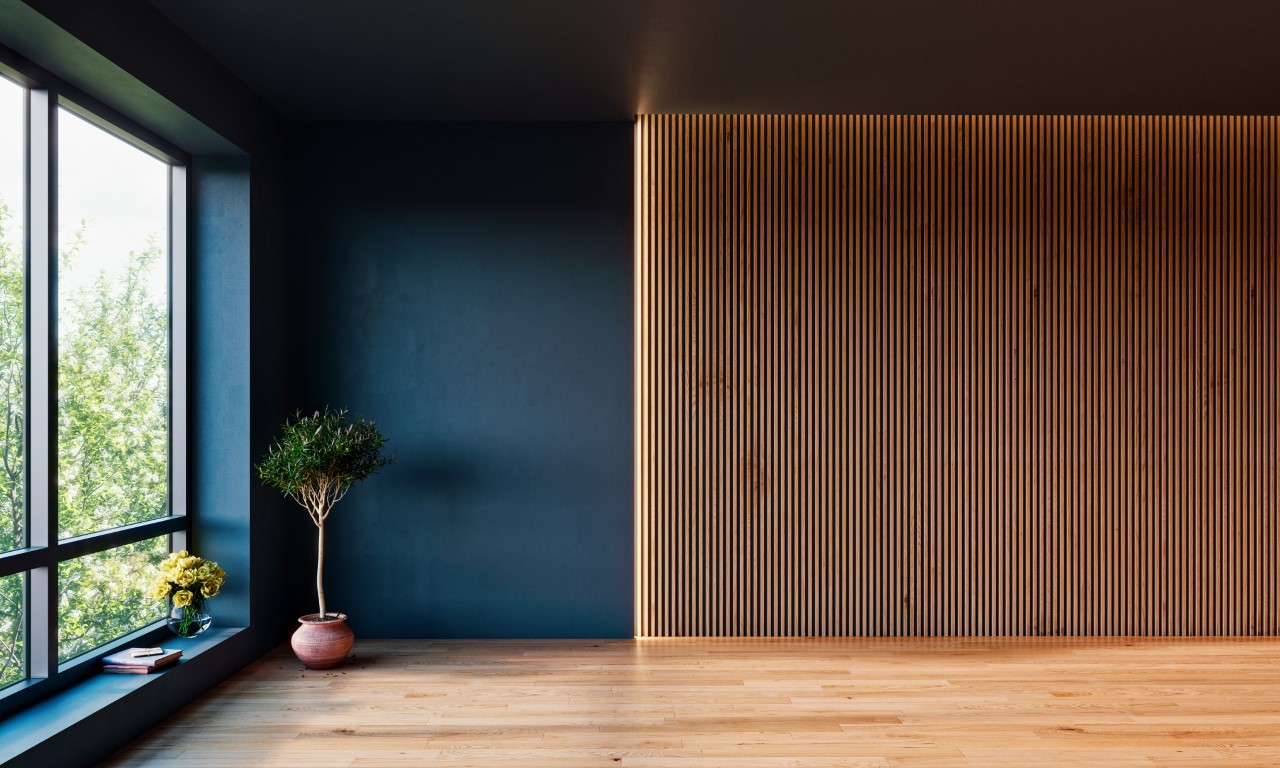
For decades, windows and doors in were treated primarily as technical components, functional necessities rather than integral design features. But contemporary architecture is shifting toward a more holistic approach, where fenestration is not only a performance element but a core part of the home’s visual identity, emotional impact, and spatial experience.
A New Design Mindset
Homes today integrate natural light, color, and INDOOR+OUTDOOR FLOW as essential components of well-being. Research in environmental psychology shows that access to natural daylight improves mood, sleep regulation, and cognitive performance
As a result, architects are increasingly designing around the window rather than fitting it in afterward.
This shift has expanded the creative role of windows and doors:
- Larger openings to create visual continuity with outdoor spaces
- Color-integrated frames to express personality and modern design language
- Clean, minimal profiles that support contemporary aesthetics
- Multi-functional operations that influence how people live, ventilate, and experience their spaces
Color as a Design Tool
Advancements in materials and finishing technologies have opened the door to a wider palette of durable exterior and interior colors. Instead of being limited to white, beige, or basic metal tones, modern fenestration now acts as a customizable design feature.
Architects and designers use color intentionally to:
- Highlight architectural lines
- Create contrast with exterior cladding
- Match interior palettes for visual continuity
- Reinforce the home’s identity
Studies in color theory support the idea that color significantly shapes perception and emotional response within a space. Windows and doors, once overlooked, now actively contribute to this psychological and aesthetic dimension.
From Components to Composition
The modern home favors CREATIVITY, LIGHT, open layouts and natural materials. Within these spaces, windows and doors are no longer separate elements but part of the overall architectural composition.
This means materials must be both structurally reliable and visually intentional.
While aesthetics is evolving, performance expectations are rising as well. The result is a new generation of homes where beauty and function are inseparable. Windows and doors help define the architecture, not just support it!

